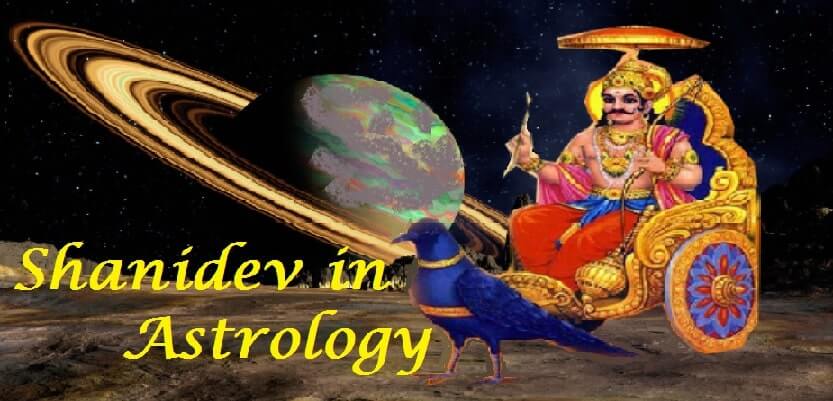
Saturn in Astrology
In Vedic Astrology, Saturn (Shani) is often seen as the most feared planet, but in truth, he is a strict teacher, disciplinarian, and judge. Saturn becomes a true friend to those who live with honesty, follow a righteous path, and have control over their desires. He demands discipline, responsibility, and humility, and cannot tolerate arrogance, laziness, or shortcuts. Known as the Karmakaraka, Saturn governs our actions, duties, and profession, and ensures we face the consequences of our karma—either in this life or the next. He is like a cosmic judge who ensures justice is served, fairly and firmly.
Saturn is also the karaka of hard work, teaching us that nothing comes easily. He makes us toil, tests our patience, and teaches valuable life lessons through hardships and delays. A favorable Saturn in a birth chart can bless the individual with endurance, discipline, stability, and deep wisdom, while an afflicted Saturn can create suffering, stagnation, and fear. He is also known as Ayushkaraka, the significator of longevity, playing a vital role in determining one's health and life span.
In the solar system, Saturn is the farthest visible planet from the Sun and the slowest moving, and this slowness is reflected in astrology too—he delays but never denies. The house Saturn occupies in a birth chart gets influenced by his qualities: it may face delays, restrictions, and struggles, but over time, Saturn rewards genuine effort with lasting results. He teaches us to face life's challenges with maturity, making him not just a planet of fear, but one of deep transformation and growth.
Significations of Saturn in Vedic Astrology
In Vedic Astrology, Saturn is a powerful planet that governs discipline, karma, and life’s deeper lessons. Below are the key significations of Saturn:
- Karma and Justice – Saturn is the Karmakaraka, representing our past actions and the results they bring in this life.
- Discipline and Responsibility – It signifies order, routine, and commitment to duties.
- Hard Work and Perseverance – Saturn rules over labor, slow progress, and the strength gained through effort.
- Delay and Obstruction – It often causes delays, restrictions, and obstacles to test patience and maturity.
- Longevity and Aging – Saturn governs life span, old age, and chronic health conditions.
- Fear and Humility – Teaches humility by bringing fears, limitations, and the results of ego-driven actions.
- Judgment and Law – Acts like a judge, ensuring fairness and consequences for all actions.
- Servants, Laborers, and Masses – Signifies people who serve, work hard, and live with minimal comforts.
- Spiritual Growth through Trials – Helps in inner transformation when one faces life’s challenges with acceptance and wisdom.
Strong and Weak Position for the Saturn in Astrology
In Vedic Astrology, Saturn is considered strong when placed in its own signs Capricorn or Aquarius, or in its exalted sign Libra, where it gains balance, justice, and the ability to deliver its lessons constructively. It is also powerful when situated in Kendra (1st, 4th, 7th, 10th) or Trikona (1st, 5th, 9th) houses, especially when unafflicted and receiving benefic aspects. A strong Saturn brings discipline, endurance, patience, and the ability to handle responsibilities with maturity. On the other hand, Saturn is weak or debilitated in Aries, where it becomes impatient and unstable. It also loses strength when placed in the 6th, 8th, or 12th houses if afflicted by malefics like Rahu, Ketu, or Mars, or if combust by proximity to the Sun. A weak or malefic Saturn may bring fear, depression, laziness, health issues, poverty, loneliness, and delays in important areas of life. Whether strong or weak, Saturn always works as a karmic teacher, influencing the person’s life path with either hardship or steady success.
Effects of a Strong Saturn
- High levels of discipline, patience, and self-control. Strong sense of duty and responsibility
- Stable career growth through consistent hard work
- Success in long-term projects and delayed but lasting achievements
- Natural ability to endure hardships and bounce back stronger
- Wisdom gained through experience, maturity, and realism
- Ability to live a simple, structured, and minimalistic lifestyle. Favorable influence on longevity and good health in old age
- Generates humility and detachment from material illusions when spiritually inclined
Effects of a Weak or Malefic Saturn
- Delays and obstacles in career, marriage, and important life events. Financial struggles and difficulties in earning or saving money. Lack of success despite hard work, causing frustration and hopelessness
- Chronic health issues, especially related to bones, joints, nerves, or the lower body. Feelings of depression, fear, loneliness, or isolation
- Trouble in dealing with authority figures, bosses, or elders. Problems related to legal matters, debts, or government penalties
- Tendency toward laziness, procrastination, and lack of motivation. Harsh or cold behavior, lack of empathy, or emotional detachment.
- Negative karma from past actions showing up as suffering in this life. Possible setbacks or humiliation in public or professional life
- If very afflicted, can bring poverty, humiliation, imprisonment, or serious karmic burdens
Saturn in Ayurveda
In Ayurveda, Saturn (Shani) is primarily associated with the Vata dosha, which governs movement, dryness, coldness, and the nervous system. Saturn’s influence reflects the qualities of Vata—light, rough, dry, subtle, and mobile—and when imbalanced, it can aggravate Vata-related disorders. These may include joint pain, arthritis, stiffness, nervous disorders, anxiety, insomnia, and degenerative diseases. Saturn also governs aging and the natural decline of bodily functions, especially in old age, when Vata naturally increases. When Saturn is strong and balanced, it supports longevity, mental clarity, and spiritual discipline. However, when afflicted, it can lead to weakness, fear, and chronic Vata-related health issues. Balancing Saturn’s energy often involves calming Vata through warm food, oil massages, grounding routines, and a stable lifestyle.
Diseases Caused by the Saturn
Planet Saturn in Vedic Astrology is associated with chronic, slow-developing, and long-lasting diseases, especially those related to the Vata dosha. When Saturn is afflicted or weak in a birth chart, it can cause degenerative disorders such as arthritis, rheumatism, sciatica, paralysis, spinal issues, and joint pain. It is also linked with nervous system problems, tremors, Parkinson’s disease, and other neurological disorders. Saturn governs the bones, teeth, skin, and nerves, so dental issues, skin diseases like eczema or psoriasis, and calcium deficiencies may also arise under its negative influence. In extreme malefic conditions, Saturn can cause mental disorders, chronic depression, phobias, or feelings of isolation. Diseases ruled by Saturn tend to be chronic, slow to heal, and often karmic in nature, reflecting the need for long-term discipline and responsibility.
Saturn in Numerology
In Numerology, Saturn is associated with the number 8, which symbolizes discipline, karma, responsibility, and hard work. People ruled by number 8 are often seen as serious, determined, and practical, but they may also face delays and obstacles in life, reflecting Saturn's slow and strict nature. This number brings a strong sense of justice, endurance, and a deep connection to life’s deeper lessons. While the journey of number 8 individuals can be challenging, their persistence and resilience often lead them to success through patience and perseverance. Saturn teaches them that rewards come only through effort and ethical living.
Saturn in Astronomy
In Astronomy, Saturn is the sixth planet from the Sun and the second-largest in our solar system after Jupiter. It is best known for its stunning ring system, made up of ice, dust, and rock particles. Saturn is a gas giant, primarily composed of hydrogen and helium, and has over 150 moons and moonlets, with Titan being the largest. It has a slow orbital period, taking about 29.5 Earth years to complete one revolution around the Sun. Despite its massive size, Saturn has a low density and would float if placed in a large enough body of water. Its striking rings and mysterious atmosphere make it a subject of great interest in space exploration and scientific study.
Saturn in Mythology
In Indian mythology, Saturn is personified as Shani Dev, the son of Surya (the Sun God) and Chhaya (Shadow). He is considered a powerful and stern deity who dispenses justice based on one's karma. Riding a crow and holding a sword and bow, Shani is seen as a slow-moving planet that brings delay, discipline, hardships, and transformation. Feared by many, Shani is actually a great teacher, believed to reward righteous actions and punish wrongdoings, making individuals more humble and responsible. His influence is most notably felt during Sade Sati and Dhaiya periods, which are times of intense karmic testing in Vedic astrology. Despite his feared reputation, when pleased, Shani can bestow long-term success, wisdom, and spiritual growth.
Saturn in Mundane Astrology
In Mundane Astrology, Saturn represents law, order, justice, labor, infrastructure, and mass control systems. It signifies restrictions, delays, economic policies, public welfare schemes, and the working class. When Saturn transits important positions in the national chart, it often brings economic slowdowns, political upheavals, strikes, labor issues, or major policy reforms. Saturn also indicates natural calamities related to earth, like droughts, earthquakes, and structural collapses. However, a well-placed Saturn in mundane charts supports long-term stability, administrative reforms, and the strengthening of national institutions.
Remedies for Saturn in Astrology
In Vedic Astrology, remedies for Saturn aim to reduce its malefic effects and strengthen its positive influence. Common remedies include chanting the Shani mantra (“Om Sham Shanicharaya Namah”), offering mustard oil or black sesame seeds on Saturdays, and feeding the poor or helping the elderly and laborers, as Saturn represents the working class. Wearing blue or black, donating iron, black clothes, or footwear, and observing fasts on Saturdays are also effective. Saturn is pacified through humility, patience, and honest hard work. Worshipping Lord Hanuman or Lord Shani, especially during Shani Mahadasha or Sade Sati, can bring relief and blessings. For more detailed information on remedies for Saturn related issues, please refer to the comprehensive guide provided in this article - "Remedies for Saturn in Astrology
Basic Facts of Saturn in Vedic astrology
| Day of the Saturn | Saturday |
| Color of the Saturn | Dark Blue / Black |
| Direction of Saturn | West |
| Metal of Saturn | Iron |
| Gemstone | Blue Sapphire (Neelam) |
| Lucky Number | 8, 17, 26 |
| Lucky Colour | Dark Blue, Black |
| Deities | Lord Shiva, Lord Hanuman |
| Own house (Rashi) of the Saturn | Capricorn (Makara) and Aquarius (Kumbha) |
| Mooltrikona Sign | Aquarius (Kumbha) |
| Exaltation (Uccha) Sign | Libra (Tula) |
| Deep Exaltation Point | 20° Libra |
| Debilitation (Neecha) Sign | Aries (Mesha) |
| Deep Debilitation Point | 20° Aries |
| Friendly planets of Saturn | Mercury, Venus |
| Inimical planets of Saturn | Sun, Moon, Mars |
| Neutral planets of Saturn | Jupiter |
| Constellation belongs to Saturn | Pushya Nakshatra, Anuradha Nakshatra, Uttara Bhadrapada Nakshatra |
| Vimshottari Mahadasha period of the Saturn | 19 Years |


